
We are Emily and John, and we plan wine tours across France for couples and small groups. Most of the people who get in touch have never done anything like this before. They love wine, or they love France, or they just fancy a few days somewhere beautiful with a glass in their hand, and they are not sure where to begin. Many are a little nervous, which is completely normal.
This guide is the conversation we would have with you at the start. We cover how to choose a region, when to go and how long to stay, how to get into the estates, how to keep your plans in one place, and what a trip really costs. Along the way we will also tell you about one of our most unusual trips: yoga and champagne among the vines.
One thing first. There is no correct way to do a wine tour. You do not need to know your tannins from your terroir, and nobody will quiz you at the tasting table. The best trips start with how you like to spend a holiday, and the wine follows from there.
How to choose a wine region
The simplest way to choose is to ask two questions. What do you enjoy drinking? And what kind of holiday do you want around it? France has dozens of wine regions. We currently plan trips in five of them: Bordeaux, Burgundy, Champagne, Beaujolais and the Rhône. We are adding more over time, so think of these as where we are today, not a ranking of the best.
Below is how each one feels, what we put in our packages, and the starting price per person, so you can picture yourself there.
Bordeaux: the classic first trip
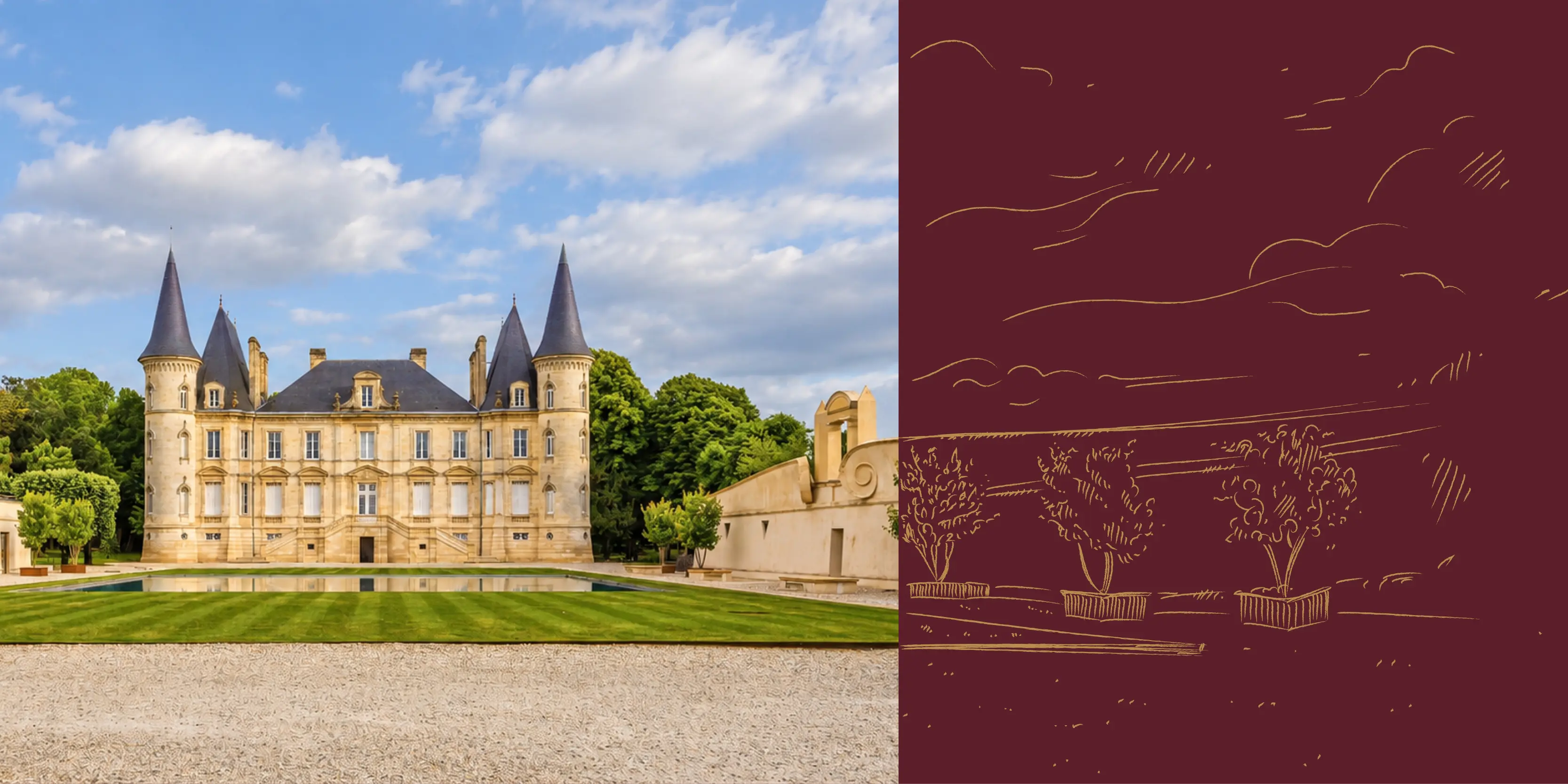
If you want one region to start with, we usually point people to Bordeaux. It is big, varied and easy to reach, with a lively city at the centre and some of the best-known wine names in the world close by. In our words “grand châteaux, left and right bank blends, and historic cellars”, and that sums it up.
The area covers the Médoc, Saint-Émilion, Pomerol, Pessac-Léognan and Sauternes. Reds are bold and velvety, built on Cabernet Sauvignon and Merlot blends. Whites come from Sauvignon Blanc and Sémillon. Sauternes adds golden sweet wines for the end of a meal.
A useful rule of thumb: the Left Bank, the Médoc, leans towards Cabernet Sauvignon and a firmer, more structured style. The Right Bank, Saint-Émilion and Pomerol, is Merlot country, with a softer, rounder feel. Seeing both is the quickest way to learn which you prefer.
Saint-Émilion is a medieval, UNESCO-listed hilltop village surrounded by vines, compact enough to explore on foot, with cellars, cobbled streets and plenty of places for lunch. It makes a lovely base, and the city of Bordeaux is close enough for a free day of shops, cafes and riverside walks.
- Classic Bordeaux, 4 days, city and Saint-Émilion: from £799 per person
- Luxury Médoc, 3 days: from £1,299
- Luxury Saint-Émilion, 4 days: from £1,650
- Authentic Bordeaux, 4 days, Left Bank boutique estates and family producers: from £2,499
- Immersive Bordeaux, 6 days, both banks: from £2,650
Best for: first-timers, couples, anyone who wants wine, history and a proper city in one trip. Explore our Bordeaux tours.
Burgundy: small, precise and personal
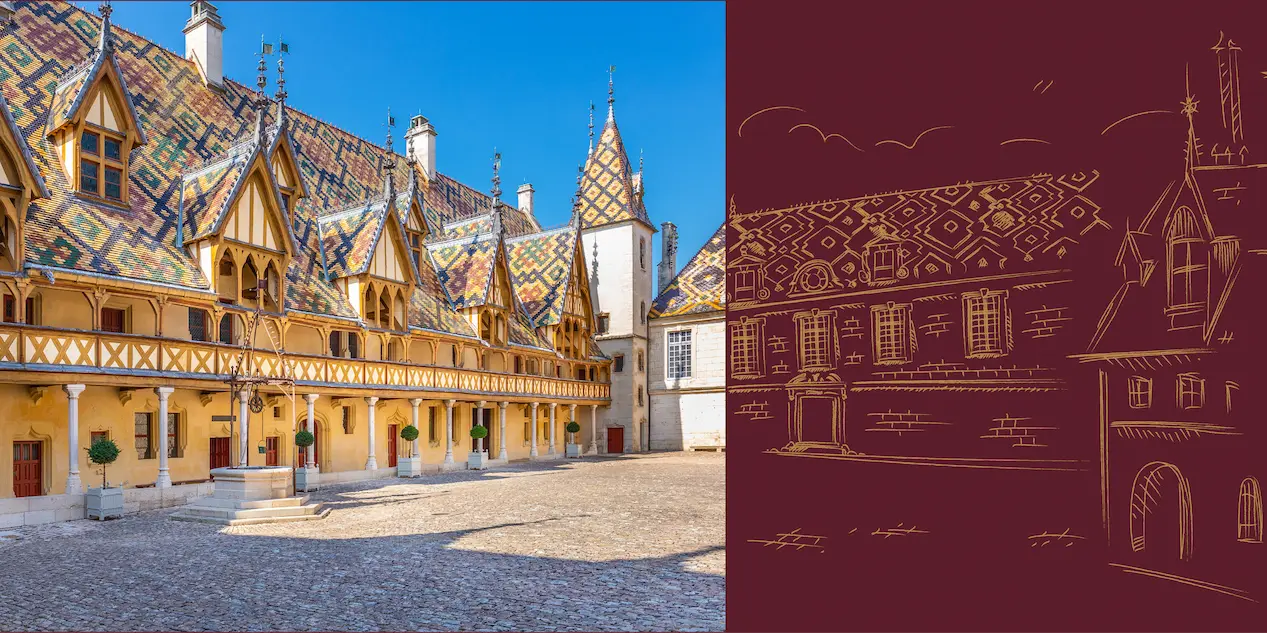
Burgundy is a different kind of trip. We describe it as “storied climats, Pinot Noir and Chardonnay heartland with monastic cellars and vineyard walks”. The pace is relaxed, with long lunches and fewer visits, which gives you more time to unwind and enjoy the countryside.
The wines are built on two grapes: Pinot Noir for reds and Chardonnay for whites. They tend to be elegant and nuanced rather than big and bold, and they reward a slower, more thoughtful way of tasting. Where the grapes grow, down to the individual plot, matters enormously, and growers love to talk about it. The Côte de Nuits is home to famous villages such as Gevrey-Chambertin, Chambolle-Musigny and Vosne-Romanée, while the Côte de Beaune is the heartland of white Burgundy.
Our Classic Burgundy is based in Beaune, the market town at the heart of it all. It includes a full day on a shared group tour, which is a friendly, sociable way into the region and can be upgraded to a private tour at additional cost. There is also a free day to explore Beaune or hop on the train to Dijon, and a final visit to a Grand Cru-producing winery.
- Classic Burgundy, 4 days, based in Beaune: from £699 per person
- Immersive Burgundy, 4 days, a luxury journey through white Burgundy, including a tasting lunch with six Grand Cru wines: from £1,999
Best for: people who like to learn, who prefer lighter and more delicate wines, and who would choose a village over a city. Explore Burgundy.
Champagne: for celebrations and curiosity
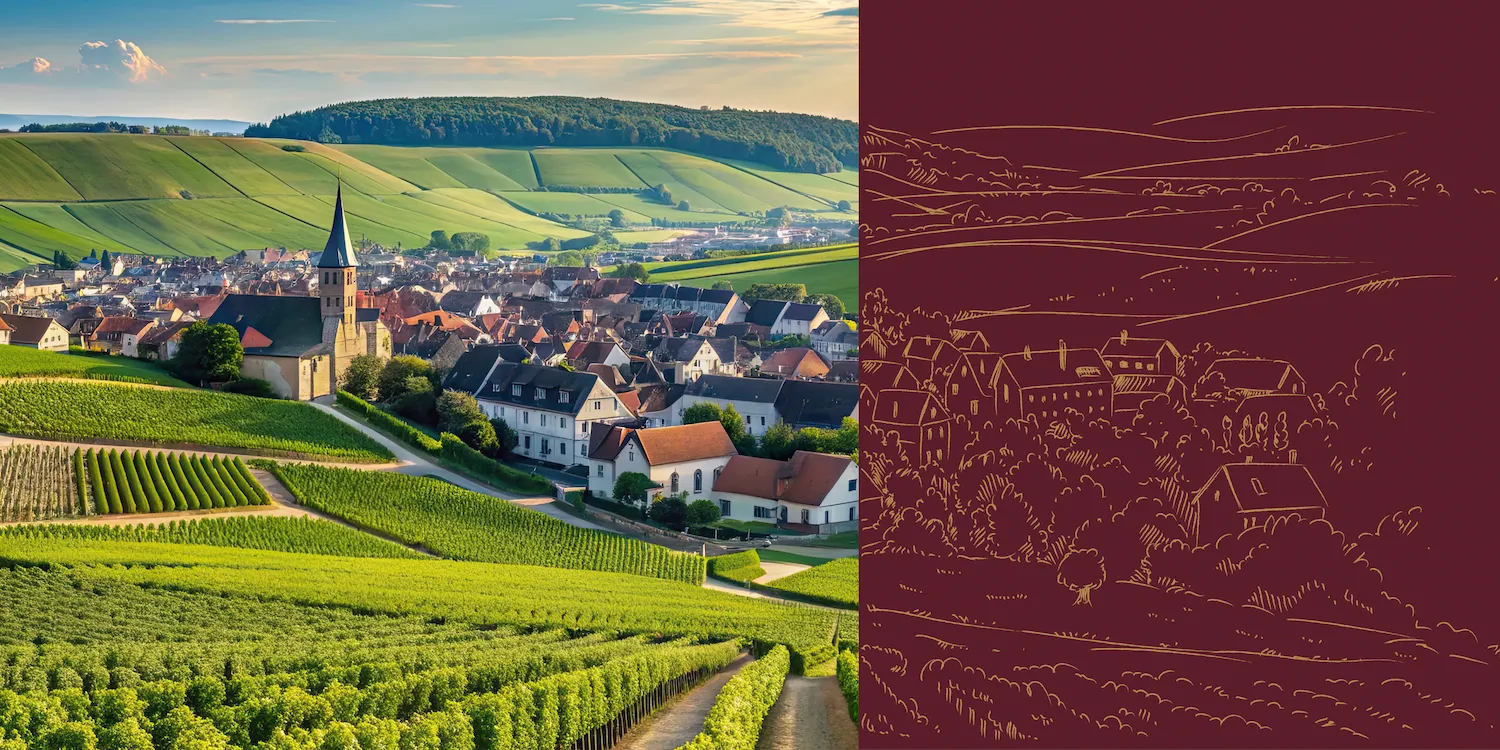
Champagne is the region for a special occasion, and for anyone who has wondered how the bubbles get into the bottle. It is centred on Reims and Épernay, with Reims only a 45-minute train ride from Paris. In our words “celebrated sparkling houses, underground chalk cellars, and intimate grower estates”.
A visit usually means going underground into chalk cellars, learning how the wine is made, and tasting it where it is produced. You can visit the great houses, where the history and scale are impressive, or smaller family growers, where it feels more personal. Grower champagnes are often more distinctive and shaped by where they are grown; many people enjoy seeing both.
The three main grapes are Chardonnay, Pinot Noir and Pinot Meunier. On a tailored tour you can taste non-vintage Brut, vintage champagne, prestige cuvées, blanc de blancs, blanc de noirs and rosé side by side, which is often a revelation for people who thought they only liked one kind of fizz.
- Classic Champagne, 4 days, based in Reims: from £950 per person, including an introductory tasting, dinner, a free day to explore, and a full-day group tour with lunch, champagne houses and family growers
Yoga and Champagne: a retreat among the vines
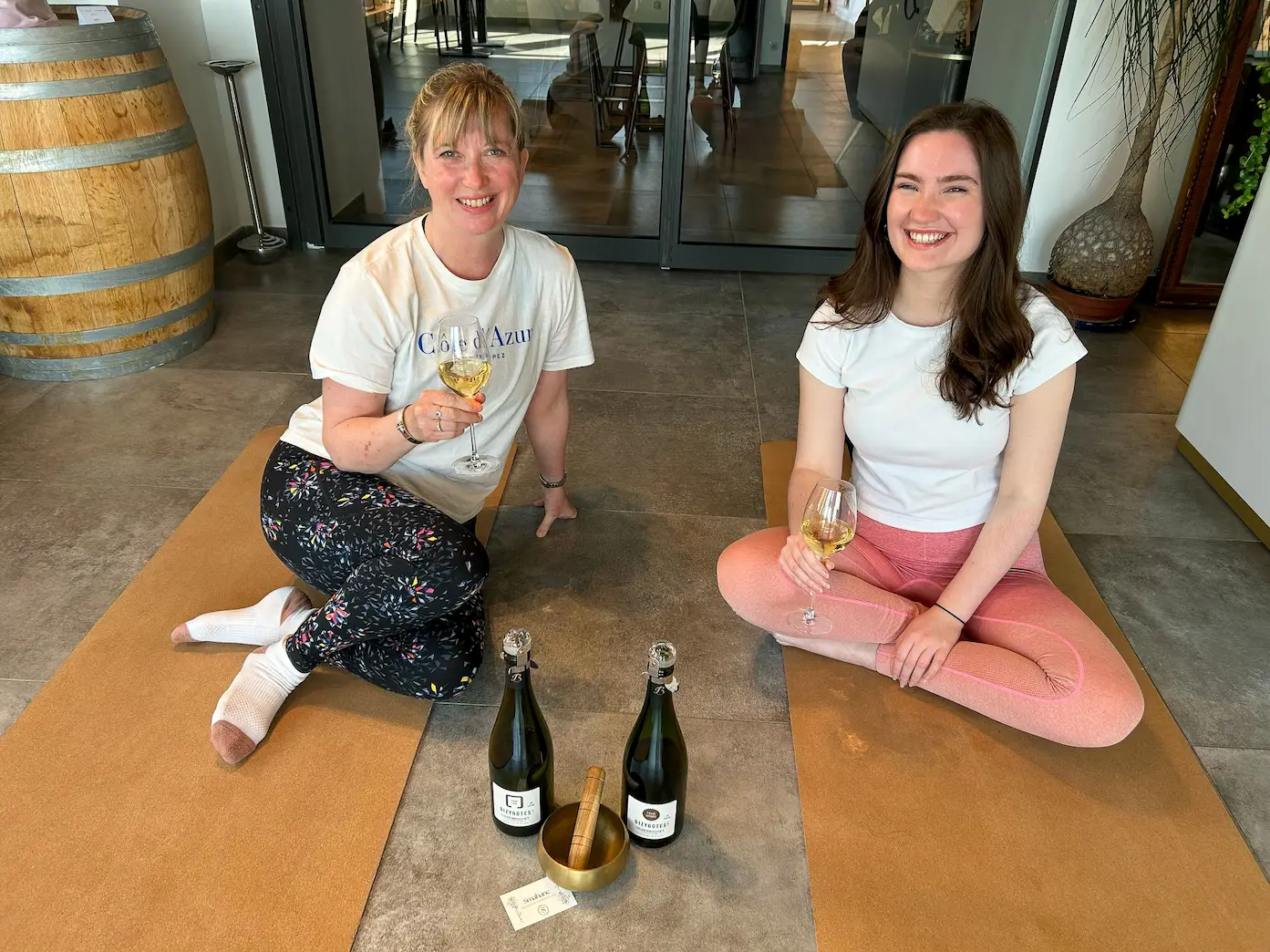
This is the trip people do not expect, and one of our favourites to talk about. It is a four-day wellness retreat for lovers of the finer things in life, and the idea is simple: “wine appreciation as a meditative practice”.
You stay for three nights at a five-star spa retreat set among the vineyards. The pace is slow on purpose. There is a free morning in the spa, a private chauffeur for the day, two small family-run champagne houses and lunch. The next morning starts with yoga, followed by a sensory champagne tasting led by Smahane, who is qualified in both yoga and wine. After lunch at a wine bar in Reims and some free time, you visit a prestigious champagne house in the city. On your last evening you choose between an introductory tasting and a relaxed dinner, and there is an optional final walk through the vines before you leave.
The yoga session is a private class, so it suits complete beginners and experienced yogis alike. Groups of any size are welcome, although we would recommend keeping it small, as it feels more intimate. It is a champagne holiday that leaves you feeling rested, not just full.
I tried it myself in April. I arrived at Champagne Louis Brochet late morning in April, which gave me time for a leisurely breakfast and a relaxed start to the day. After exploring the terrace, we were gently directed inside to meet Smahane. A private room overlooking the vineyards greeted us, with two yoga mats crafted from cork. Smahane led the session by immersing us in our environment: closing our eyes and listening to the breeze through the vines, then slowly opening them and bringing the first glass of champagne to our nose to take in the aromas, and then to our ears to hear the bubbles. By slowing down and letting our senses guide us, we could taste the brioche and almond notes even more deeply. We tasted two special cuvées on the mats, with a third, a rosé, to enjoy on the terrace afterwards. We left feeling like we were floating on a cloud, and popped back into Reims for some shopping and classic French éclairs.
Yoga & Champagne, 4 days: from £2,299 per person. See the Yoga & Champagne trip.
Best for: anniversaries and birthdays, people who love sparkling wine, and anyone who wants a short break that feels special. Explore Champagne.
Beaujolais: relaxed, friendly and good value
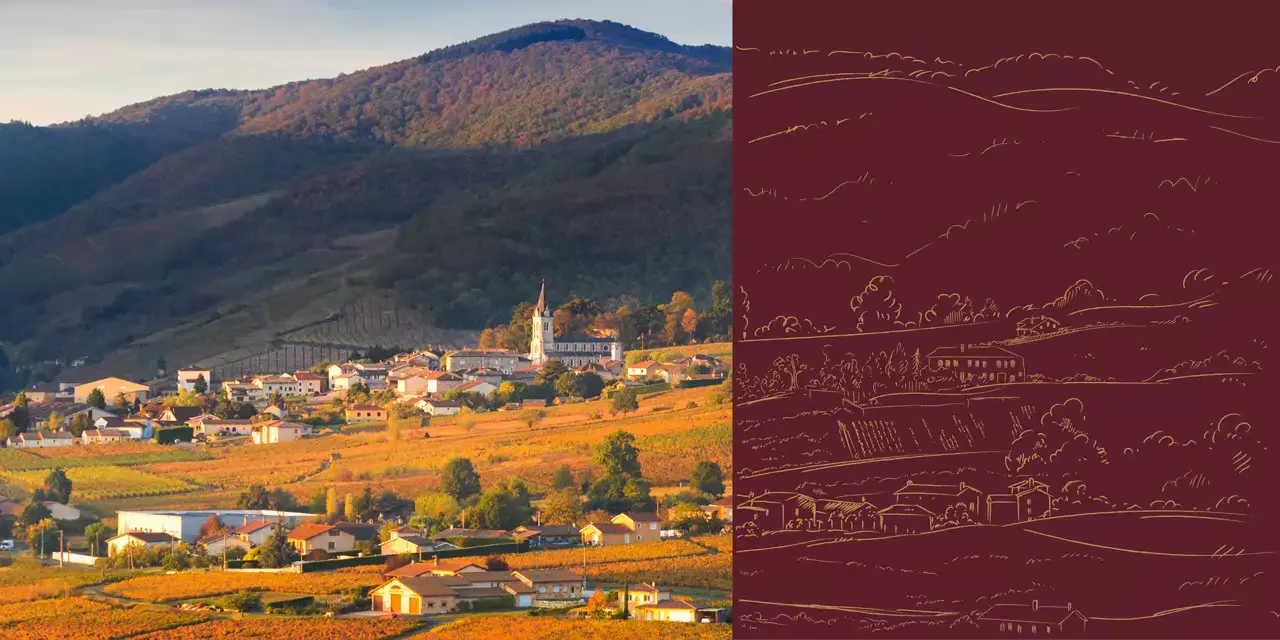
Beaujolais is the region people tend to underestimate, and then fall for. Think “light reds, village bistros, and rolling vineyard hills with countryside charm”, and the villages of golden stone have earned it the nickname Little Tuscany.
The grape is Gamay, which makes light, juicy, fruity reds that are lovely slightly cooled and very easy to drink. The best come from ten named villages, known as the crus, each with its own character. The mood is relaxed. Growers are welcoming, lunches are generous and nobody minds if you are new to all this.
We recommend basing yourself in Lyon, around 45 minutes' drive away and widely regarded as the gastronomic capital of France. That makes this the trip for people who care about food as much as wine.
- Gastronomic Lyon and Beaujolais, 5 days, 4 nights: from £2,199 per person with a four-star hotel, or from £2,799 with a five-star hotel. It includes an Old Lyon food tour with cheese tasting, a guided market visit and Lyonnais cooking class, dinner at a traditional Lyonnais bouchon, and a private full-day Beaujolais tour with two wineries and a chauffeur.
Best for: people who prefer lighter reds, relaxed trips, and anyone who wants a food-led holiday with wine woven through it. Explore Beaujolais.
The Rhône: bold, peppery and dramatic
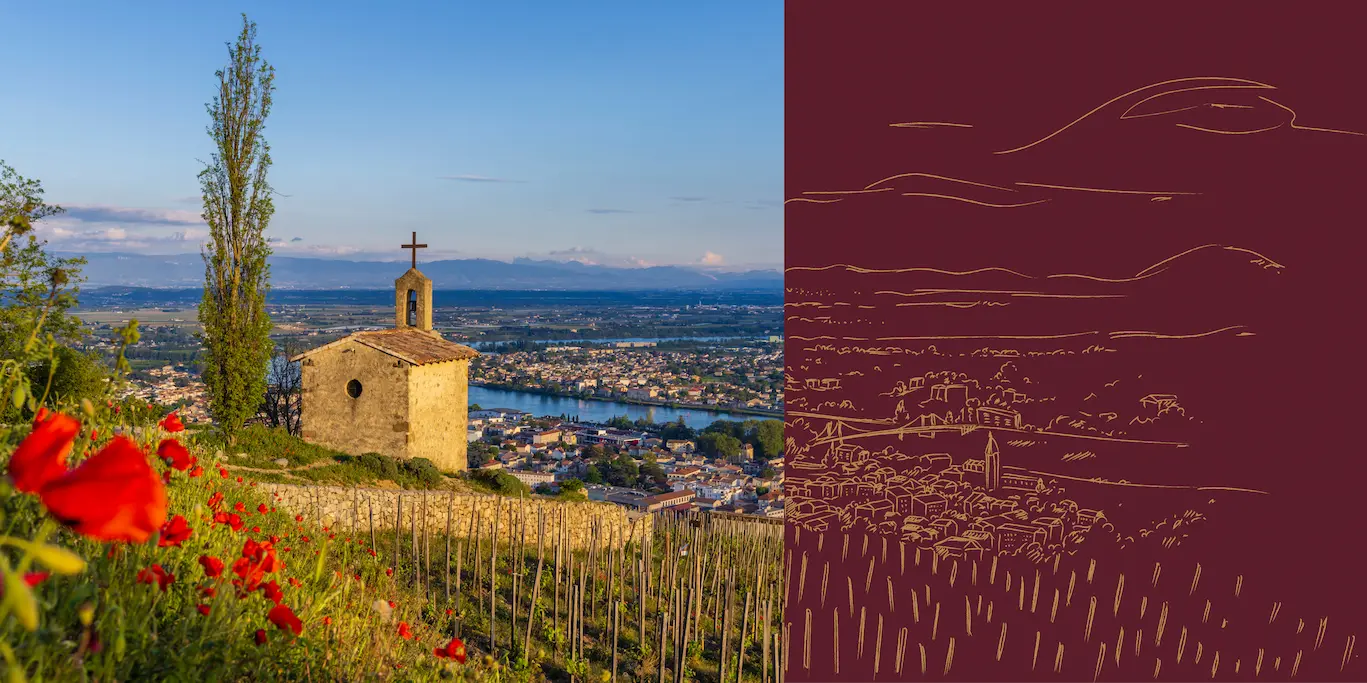
We describe the Rhône as “bold reds, terraced vineyards, and scenic river drives”, and our trip focuses on the Northern Rhône. Here the vines cling to steep granite terraces above the river, and the wines are built on Syrah, with a peppery note on top of dark fruit, plus the fragrant white grape Viognier. The best Hermitage and Côte-Rôtie are among the longest-lived red wines in the world.
We base you in Tournon, across a scenic footbridge from Tain-l'Hermitage, below the Hermitage hill, and the Northern Rhône is just an hour from Lyon. From there you can reach Hermitage and Côte-Rôtie, along with Crozes-Hermitage, Saint-Joseph and Cornas.
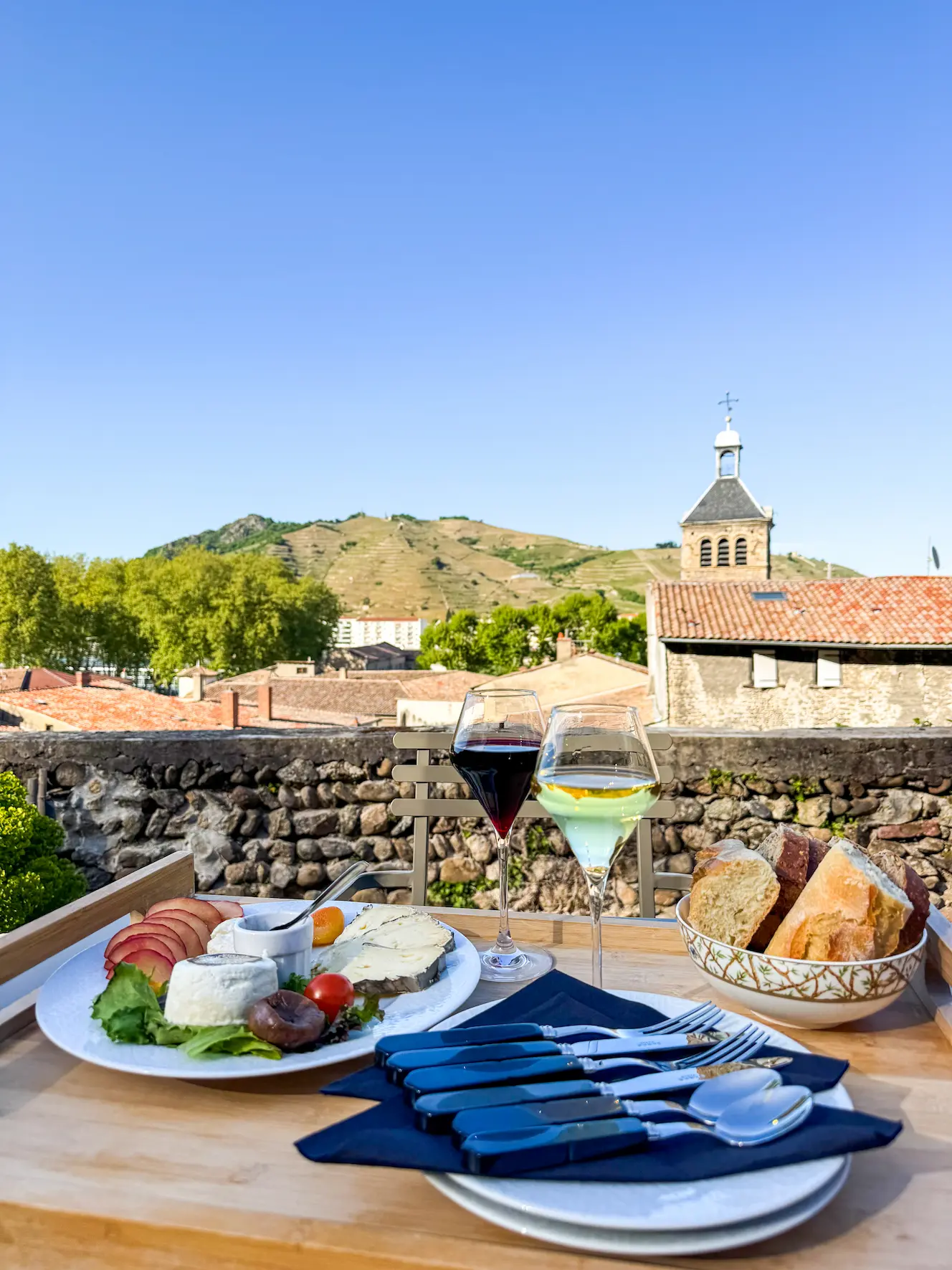
- Classic Northern Rhône, 4 days, 3 nights: from £1,099 per person, including two vineyard tours and tastings in Tain-l'Hermitage with lunch, two more wineries in Côte-Rôtie with lunch and private transport, a charcuterie platter and wine on the hotel terrace, and an interactive chocolate museum ticket
Best for: people who love bold, peppery Syrah reds, and anyone who wants scenery with their tasting. Explore the Rhône.
The five regions at a glance
| Region | Main grapes | The feel | Starting from, per person |
|---|---|---|---|
| Bordeaux | Cabernet Sauvignon, Merlot; Sauvignon Blanc, Sémillon | Grand, varied, city plus countryside | £799 |
| Burgundy | Pinot Noir, Chardonnay | Small family domaines, slower pace | £699 |
| Champagne | Chardonnay, Pinot Noir, Pinot Meunier | Chalk cellars, special occasion | £950 |
| Beaujolais | Gamay | Relaxed, food-led, base in Lyon | £2,199 |
| The Rhône | Syrah, Viognier | Peppery, dramatic terraces | £1,099 |
All starting prices are per person, for two people sharing a room, in high season (May to October). Every trip is bespoke, so these are a guide, and we confirm the final price before you pay anything.
More regions are on the way, and we will add them here as we do. If there is somewhere you have always wanted to taste, tell us. We can build a trip around it, or adapt one of our existing packages.
If you are still unsure, that is completely normal. We can guide you through. We will ask how a wine makes you feel, not what it scores. That tells us far more about where you will be happiest.
When to go and how long to stay
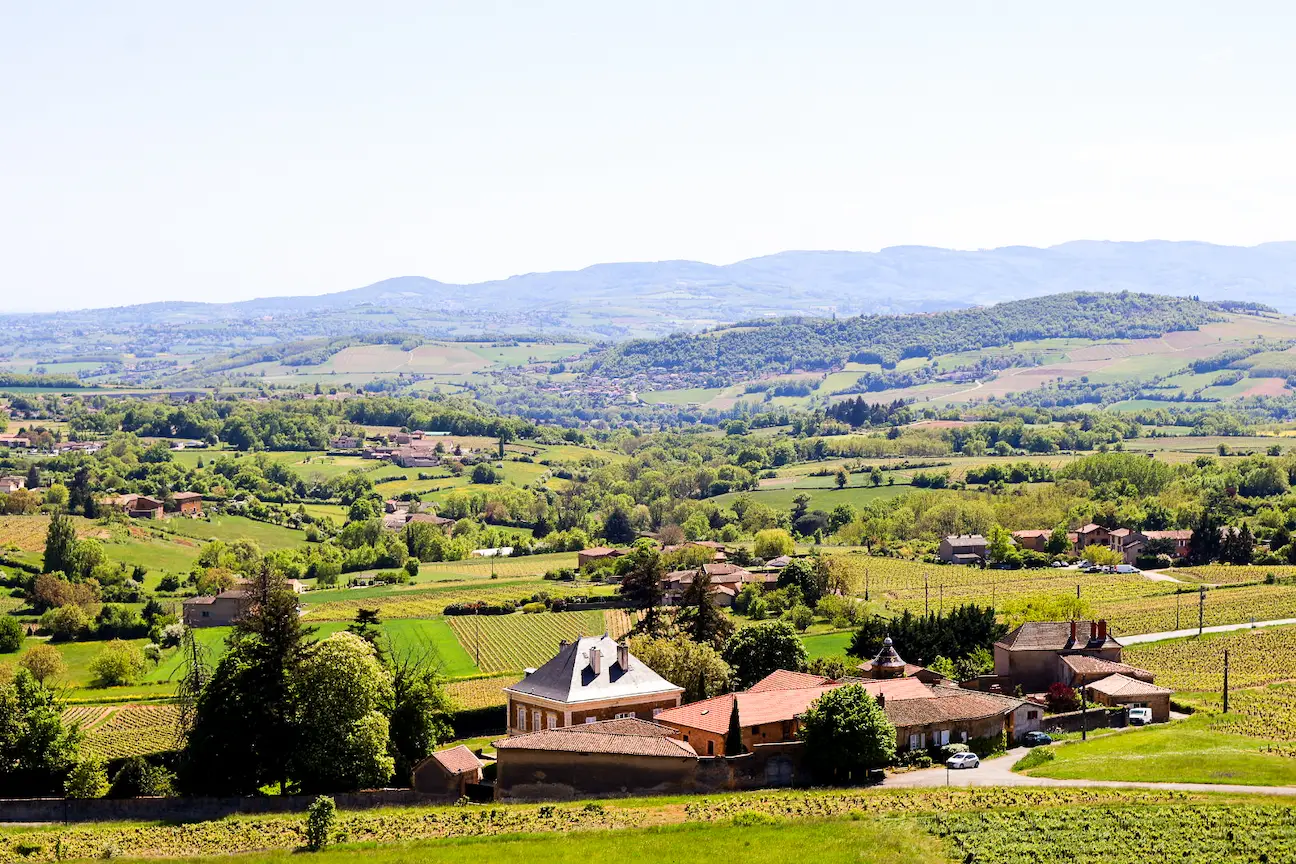
There is no bad time for a wine tour of France, only different ones. It depends on what you want the trip to feel like.
- Spring brings fresh green vines, blossom and quieter estates. May is one of our favourite months. The weather can be changeable, so pack a layer.
- Summer is long, warm and sociable, with plenty of time for lunch outdoors. It is also the busiest season, and can bring heatwaves, so book a few months ahead because hotels fill up fast. August is the month to avoid, as many vineyards close for holidays.
- Harvest, from late summer into autumn, is the most atmospheric time. Estates are busy, the air smells of crushed grapes and the countryside turns gold. You may see the picking and the cellars at work.
- Winter is calm and good value. Cellars are cosy places to taste, and growers have more time to talk, though some may have limited opening.
If you want our honest advice, go in May, or in September or October. You avoid the worst of the heat and the busiest weeks. We would also steer clear of bank holidays, and of the days between Christmas and New Year.
How long do you need?
A long weekend from Thursday to Sunday is enough to get to know one region well. That is the pattern behind our four-day Classic Bordeaux break. You arrive, settle in, have a full day at the estates, a day to explore the city or town, and a gentle departure.
If you are combining regions, or you want time to explore without a glass in your hand, add a night or two. A week lets you slow down, and some people split it between two regions that feel quite different.
How many tastings in a day?
Our advice is two or three winery visits a day, not more. Each tasting takes longer than people expect, the conversation is half the pleasure, and a rushed day blurs together by the third glass. Leave room for a proper lunch. It is one of the best parts of the trip, and it keeps the day enjoyable.
Getting around and getting into estates
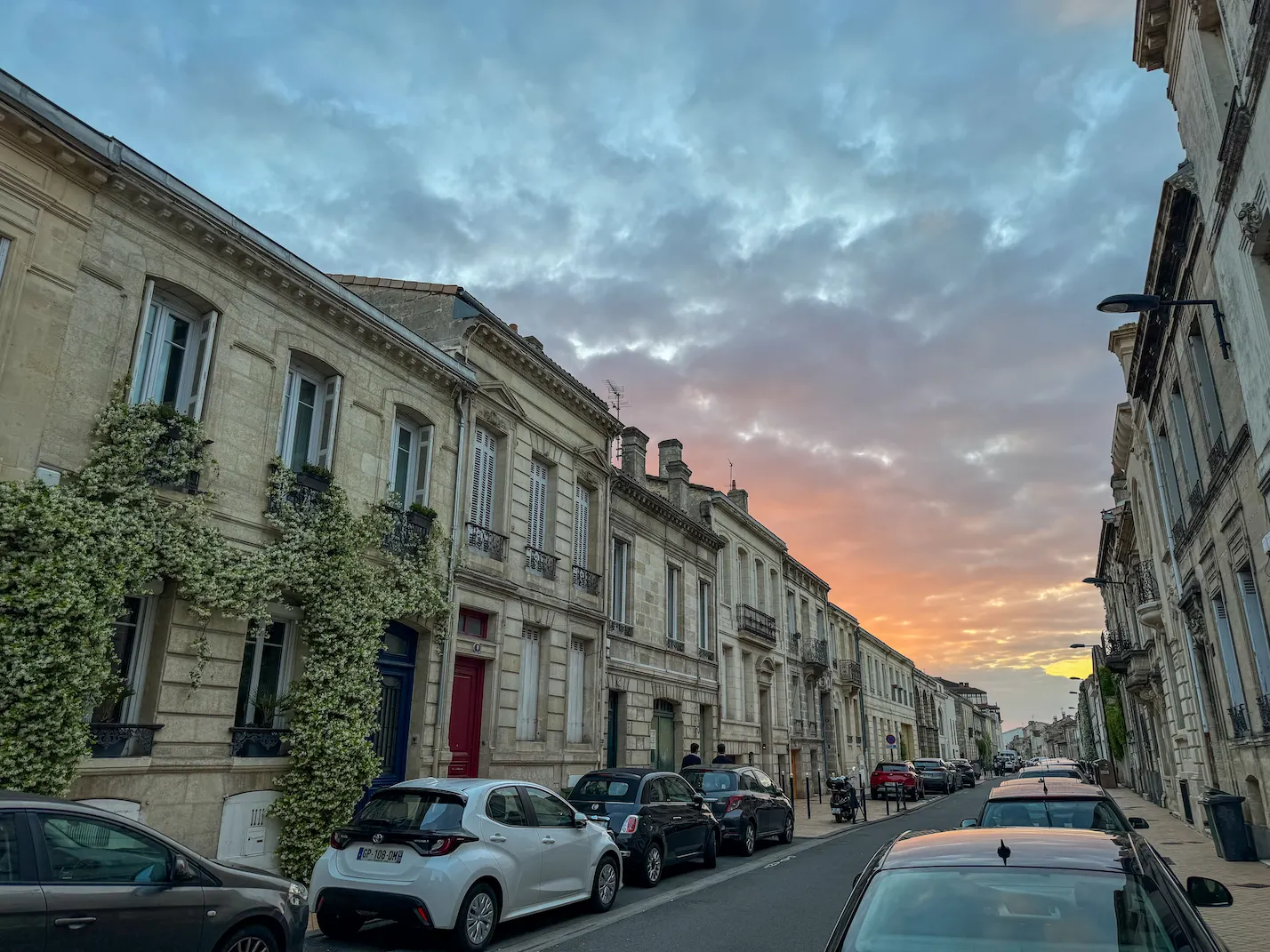
Two practical points catch first-time visitors out.
First, many estates, especially the smaller family-run ones, only welcome visitors by appointment. Turning up on the day often means a closed gate. Second, if you are tasting, someone should not be driving. Taxis between rural estates are hard to find at short notice, and public transport rarely reaches a vineyard.
This is where planning with someone on the ground helps. At each venue you are met by a guide, a member of the hospitality team who knows you are coming, so you are expected, welcomed and looked after. A private chauffeur can be added to any of our packages or breaks, so you can enjoy the tastings and let someone else do the driving.
Shared group tours are the more accessible option if you are new to wine, or you like to be sociable, and every shared tour can be upgraded to a private one. For a sense of how a day can work, take Saint-Émilion on our Classic Bordeaux break. It is a full-day shared group tour, usually taking in two or three wineries with lunch at one of them. Shared tours are always subject to change, so the exact running order may vary.
Your itinerary in one place
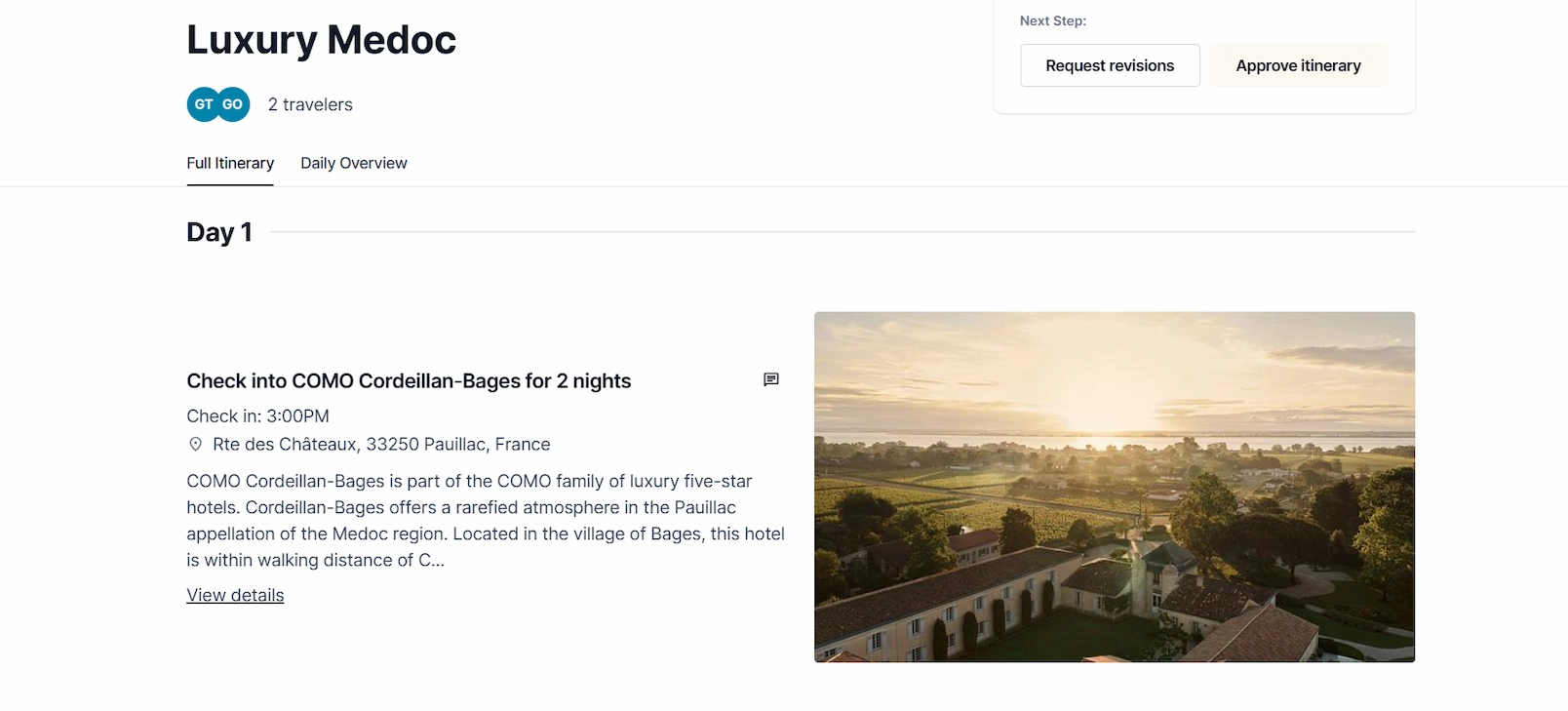
A wine tour involves a lot of small details: pick-up times, booking references, hotel addresses, the name of the guide meeting you at each estate. We keep all of it in one place using Tern for Travelers, an itinerary app available on the Apple App Store and Google Play.
Before you commit to anything, we send you your itinerary and you can ask for changes. Swap a winery, add a free afternoon, move dinner. Nothing is fixed until you are happy with it.
Here is an example itinerary for our Luxury Médoc package: see the sample itinerary. Please note that the two afternoon winery visits will not always be those two specific wineries, as this is just an example. Timings are also added once everything is fully confirmed.
What affects the cost
The honest answer is that every tour we plan is bespoke, so the price depends on you. Our packages are a starting point, not a fixed menu. Change the hotel, add a chauffeur, upgrade a shared group day to a private tour, stay an extra night, and the price moves.
What we can do is be open about where the starting prices sit, which is why every package in the regions above carries a “from” price. All prices are per person, based on two people sharing a room, in high season (May to October). They are starting prices, and we confirm the final price before you pay anything. A single supplement applies if you are travelling alone, and the amount varies. Breakfast is included. Images are illustrative.
As an example of what a starting price covers, Classic Bordeaux from £799 includes three nights at the four-star Hôtel de Sèze, the full-day shared group tour of Saint-Émilion with winery visits and lunch, a free day in Bordeaux, a three-course dinner and an introductory tasting workshop.
Why plan with someone who knows the region
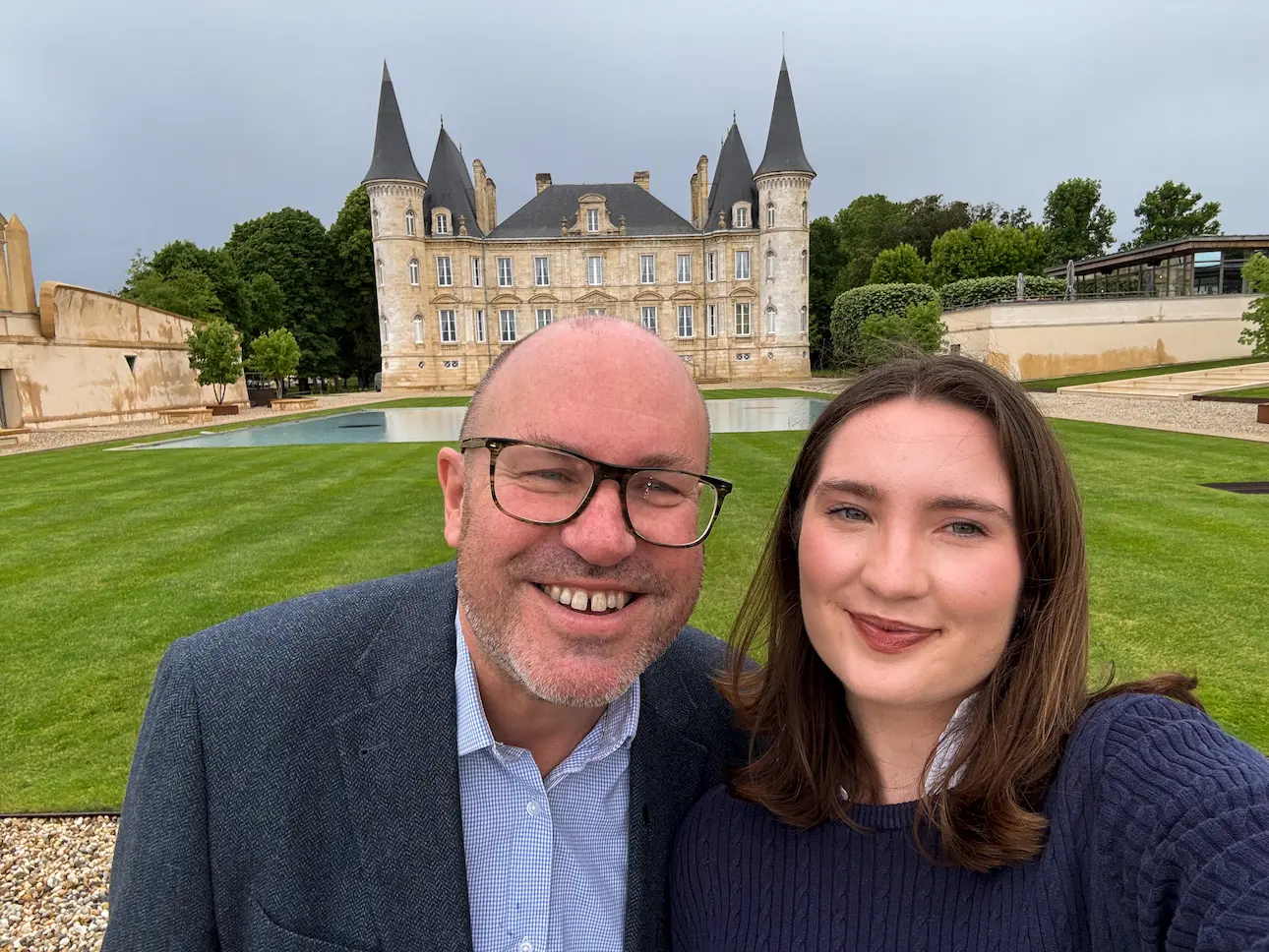
You can book hotels and drivers yourself, and plenty of people do. What you cannot easily book is local knowledge: which estates welcome visitors, who to ask for, which cellar is worth the detour and which tasting will bore you.
I have spent years honing my experience in wine tourism and hold the WSET Level 2 qualification. More useful than any certificate are the relationships with growers, built over many visits, which is how we can introduce you to people you would struggle to reach on your own.
I went on my first wine trip at 18 months old, to Burgundy. 19 years later, John and I took a trip to Bordeaux and, on a shared group tour of Saint-Émilion, the smell of the oak barrels brought on a feeling of nostalgia that inspired my interest in wine tourism.
Our attention to detail even goes down to checking what time the sun sets, so you can have the perfect sunset dinner for a special occasion. We want every trip to become a treasured memory that gives you that cosy feeling of nostalgia for years to come.
Frequently asked questions
Which region should I visit first? For a first trip, we usually recommend Bordeaux. It is varied, easy to reach and has a lovely city at its centre. That said, it depends on what you are looking for, so tell us what you enjoy and we will help you choose.
How far ahead should I book? As early as you can. If you want to travel in the summer, ideally a few months ahead, because hotels book up fast. For last-minute trips we can sometimes work with around two weeks, but it depends on availability.
Do I need to know about wine? No. Our guides start by asking how a wine makes you feel, not what you are meant to taste. You can go as deep or as light as you like.
How many wineries can we visit in a day? Two or three is comfortable. More than that and tastings run together, and you lose the chance to talk to the people who make the wine.
Can we bring our own driver or hire a car? You can, but whoever drives will not be tasting. A private chauffeur can be added to any of our packages, so everyone can enjoy the day.
Can I change the itinerary once I have seen it? Yes. We always send your itinerary first, and you can ask for changes before you commit to anything.
Ready to start planning?
If you would like to talk through a wine tour of France, tell us what you have in mind. Our short planning form takes under a minute, with no obligation. We will come back with ideas, and an itinerary you can change until it feels right.
Back to the Blog